
How to survive in the animation industry: Christina S. Nerland
Kropka
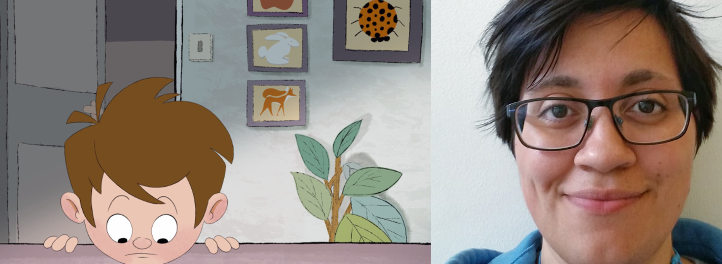
Christina is a young and successful animator. Her story started when she fell in love with the Disney movies. At the age of five, she immediately knew that she wanted to become an animator. After some fails -she was rejected from Volda University and had trouble getting work after her BA- she pursued her dream and is now a very well-known animator in the international scene. She is the creator of Leave a Print, a multi-award-winning short film (watch the film here).
When I talked with Christina, she gave me the feeling she could be a coach for other animators; her own vision about the industry and life sounds like she has found the balance of both worlds. She said very sensible stuff, which looks like it could be the normal rule; unfortunately, not all this advice could reach everybody in the animation industry.
K: You mentioned yesterday that one of the things to survive in the animation industry is to be polite.
CN: Yes, I think this is one of the keys to getting into the industry because we depend on the connections we make with other people so much. You don’t need a lot of talent to enter the industry but connections are invaluable. If you are a bad person who is difficult to work with, it spreads very fast, and many doors could be closed because studios want team players. Many animators are also notoriously introverted, so it’s in everyone’s interest to create healthy interactions and a nice environment.
K: You also said something very interesting, about how to put your own boundaries with toxic people who want to take advantage of artists. There is always someone asking you to do work for free. It is very important for students starting to work in the industry. What do you think?
CN: Yes, this is very important, and we have to be alert and aware that our time is valuable. There are always some people who will try to downplay your profession and treat it as your hobby and something you should do for free because it is your passion. So you have to set the limit and be clear that you don't work for free.
K: I do agree. It seems that these people don’t notice that, already from your school studies, you're making an investment.
CN: True, maybe they don't know all the effort behind an animation, even if it is a simple thing. And they don't see it as work; they think it's more like a minor creative profession.
K: So, we advise them to stay away from those people, companies, or friends asking to work for free. Say NO.
CN: Well, there are exceptions, of course, but you need to be firm with your principles and consider every project you’re presented separately.
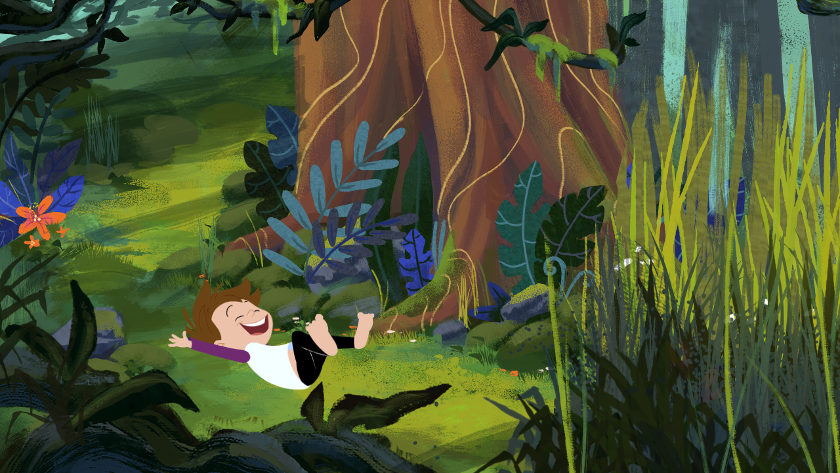
Nora, Christina S. Nerland
K: You said it took you three years, more or less, to stabilize yourself in the industry.
CN: It took me three years to get stable enough that the constant worry of getting work started to fade. Not because I always have work, but I’m more confident in my work, and that something will come around. Not three years right after graduation, though, but after I got the first job. It should hopefully be stable after that time, but I’m glad someone told me and my classmates that that’s the time aspect to expect, as it made it a tiny fraction easier to accept that it was going slow in the beginning.
K: It doesn't really entail that you could have a job immediately after you end a project. And the problem is that some people fall into depression or develop anxiety, and you gave us some advice for freelance animators. What do you do, for example?
CN: When I have time between jobs, I try to exercise regularly. Meet up with friends, have a beer with them. Go to museums. Walk around and explore. With my friends, we go and discover London, where I live. Of course, bring your sketch book to draw when you feel it, and don't lose the practice. 'Cause although you now have the time to work on your own things, it’s good to get some time away from our computers. Try not to focus on when you are going to get work again, and don’t get down if the studios don’t get back to you. Because sometimes, as a freelancer, it’s very easy to be overworked and overwhelmed, and you don't notice it. If you can allow yourself to chill a little in the free periods, you'll be reloaded for the next. It is very important to be disciplined about this. You need downtime to do your best work, and it’s easy to get miserable about both your job and life if you don’t get some rest now and again.
K: Are you preparing something new? After 'Leave A Print', which won a lot of prizes, many of us are excited about your new film.
CN: Yes, I’m working on a new short film. It has been a side project in the making for about a year. I have a new idea that is more like Leave a Print, which will probably be the next film, but this new one has a much lighter tone than Leave a Print did. I also had a lot of trouble making Leave a print as I had no experience, so I had a hard time making it. So, when I started this new film, it was partly to see if, after all those years working in the animation industry, I had worked smarter when I was going to make another film. If this hadn’t been a good experience, I probably would have scrapped filmmaking, but thankfully, it’s been much easier this time around, and it’s now in its final stage. And there will be another film in a couple of years. I need a break from filmmaking now.
Christina was very kind because she stopped on her way to the airport to do this interview.
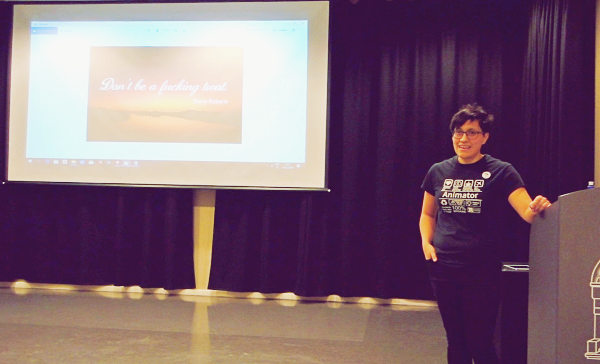
K: You started your masterclass with a sentence from your professor Steve Roberts; that is very real, and I think it is valid for all areas, not just in animation.
CN: Oh, yes, the advice is from my professor Steve from my MA, the best advice according to him, which is Don't be a fucking twat! And it could sound rude, but it’s very true. Basically, if you keep working and doing your best, that’s great, but being a nice person is what makes the difference, 'cause nice people are the ones who are asked to come back and are recommended by others.
K: I think all in life is a chain of favors, and I think in independent animation we have some troubles, but most of the people working there are really nice.
CN: Yes, for me it’s easier to recommend anyone if I have met them before and I know not only their work, but also if they are a nice person to work with.
K: Well, thank you, Christina, for the interview, and we hope to watch very soon your new film.
CN: Thank you.
Christina takes her luggage, and after a hug, she says goodbye quickly because she has to take a flight to London.
Want to read more free articles like this?

Keep this professional animation journalism effort relevant and updated. Become our patron