

Shorts
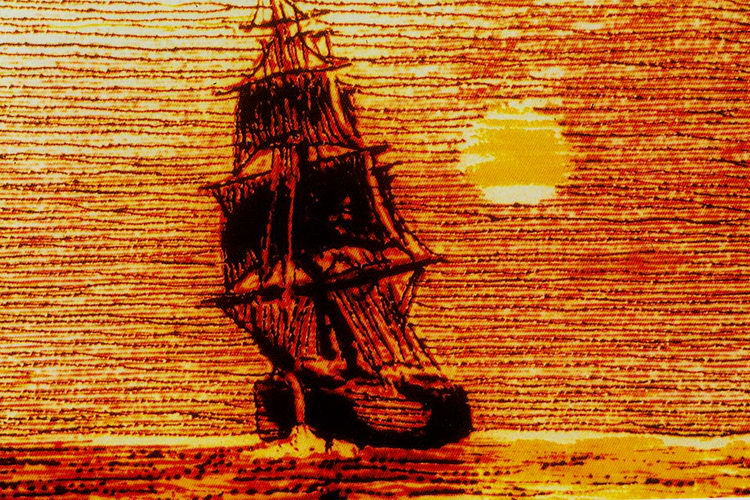


The Albatross by Paul Bush (Classic Animation Frames)
Vassilis Kroustallis
Before Robert Eggers and his 'Lighthouse' (2019), there was Paul Bush and his equally absorbing parable, 'The Albatross' (1998). The UK animation filmmaker (1956-2023) has left an impressive body of work behind, both in his films and in his own teachings and masterclasses.
In the 15-minute film, 'The Albatross', he adapts 'The Rime of the Ancient Mariner', a poem by Samuel Coleridge (read the whole version here). Both in Coleridge's poem and Bush's film, one man survives through an epic voyage to tell his compatriots a tale of destruction and redemption.
Awe and wonder are the first feelings when watching the film, carefully made using 19th-century etchings and live-action material, all of which were filmed on 16mm film, then scratched onto the surface of its enlarged 35mm color filmstock. There is a feeling of watching the artist and director create as they make his film, paralleling the mariner's narration to his fellow land residents.
The result is both mesmerizing and tangible, as if the audience were at sea, watching etchings suddenly move and in danger of being lost from view. Bush has carefully laid out the plan for his necessarily limited and monochrome color palette from scene to scene, and the analog effect is here as powerful as ever: we travel along with the film to the Pole and back again.
This is not to say that 'The Albatross' is just an experimental exercise on imagery. The story of ecological catastrophe is, of course, addressed here, but there is a deeper level of humanity and connectedness that is sought. The old mariner won't simply narrate his story to himself, but to spectators ready for a wedding; a celebration of the community is going on, and all the joyous violin music (with the secondary characters framing the action) gives more than just ecological danger. It is the need to have your story heard -even if the spectators need to recreate the story in their heads (which is exactly what the animated film does here).
This recreation of a poem, which incorporates existing still images and videos, tells a story to spectators, bringing vitality and energy to the film. We are constantly alert, trying to capture every single detail of both the images and the spoken words. And Paul Bush makes sure his camera shots can be both wide and reflective and close and dramatic when needed -while the voiceover (by Gerard Murphy) makes a wavy trip look more solemn, grounded, but also needy. 'The Albatross' has its own distinctive seal of animated filmmaking that can never be missed.
Watch The Albatross by Paul Bush
Want to read more free articles like this?
Keep this professional animation journalism effort relevant and updated. Become our patron
Read More About:
Related Articles


Zippy Frames is the premier online animation journal promoting European and Independent Animation animation since 2011
Zippy Frames
Quick Links