
Feature Animation 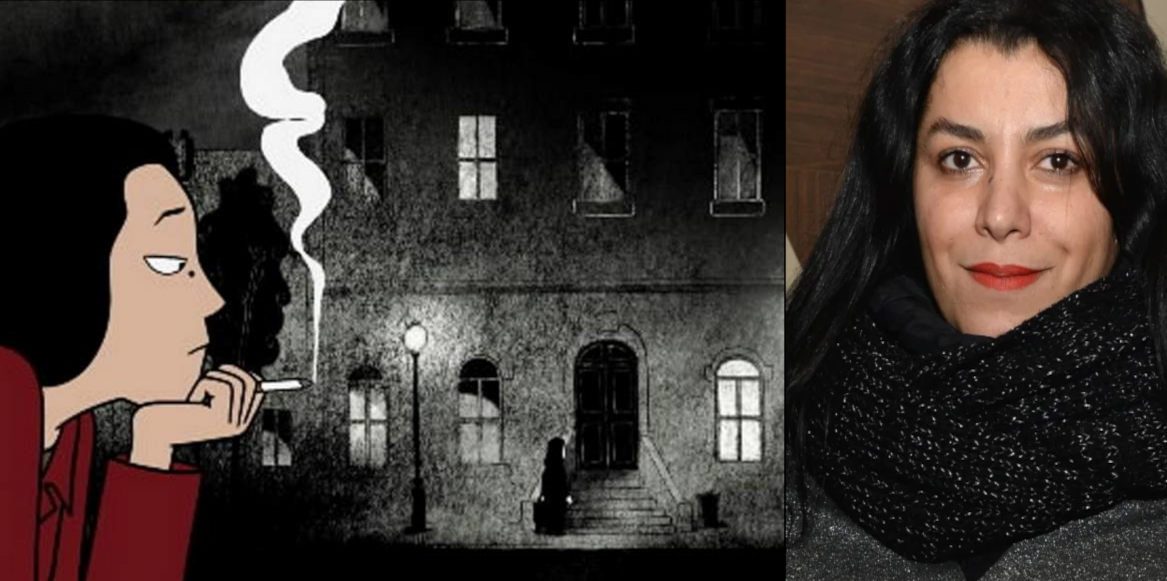
5 Reasons Why Marjane Satrapi's 'Persepolis' Is An Indie Animation Watershed Moment
Vassilis Kroustallis
Marjane Satrapi's untimely death (1969-2026) has again brought to the surface -it has never evaporated in the animation community- her first animation feature, 'Persepolis' (2007). Co-directed with Vincent Paronnaud, it became a staple in the indie animation community. The autobiographical story of little Marjane, who witnesses Khomeini's Islamic revolution, which results in making women's societal status even worse than its predecessor, resonated with many voices all over the world, escaping the narrow confines of animation and film festivals. But became a call to action for all people oppressed.
5 reasons why Persepolis is an Indie Animation Watershed Moment
#1 It gave unprecedented visibility to independent animation
'Persepolis' official selection in the main competition at the Cannes Film Festival in 2007 and the Jury Prize for its directors marked a watershed moment for indie animation (and European animated features) overall. Suffice to say, other official Cannes participation included DreamWorks' 'Shrek' (2001) - a highly memorable, but still big-budget US studio offering. And the Jury Prize at Cannes for an animation feature was one of the few major festival awards given to an animated feature (Palme d'Or for a short film taken aside).
The last time a major award had been given to an animation feature was in 1973 -with René Laloux's 'Fantastic Planet' getting the Grand Prix special jury prize (a Palme d'Or for a feature animation has yet to be bestowed). 'Persepolis' went on to be nominated for an Oscar for Best Animated Feature -the first woman to do so (it lost to Brad Bird's 'Ratatouille'), and became a universal audience experience. (Curiously, 'Persepolis' never competed at Annecy Festival).
#2 It did not water down its cause
'Persepolis' has always been an unapologetic woman's voice for freedom and self-determination, without taking simplistic pro-West, anti-Muslim sides. Marjane Satrapi carefully investigates oppressive conditions in both Iran and Western Europe (remember the harsh depiction of the Austrian convent?), and does not rely on easy answers. Instead, it presents a critical, hybrid voice of self-assigned cultural determination at all costs.
#3 It is not afraid to show her character in distress
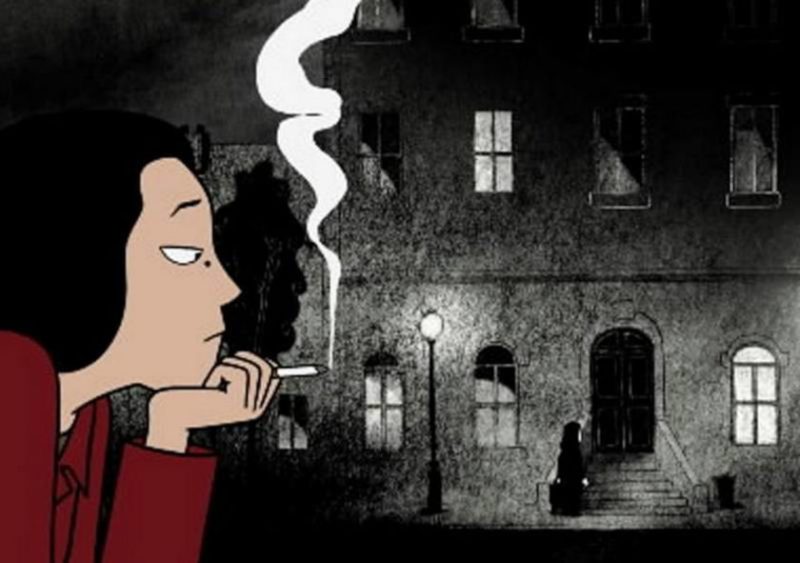
An animation feature that shows its character (Marjane after her coming back to Tehran) being isolated and simply not responding to any external stimulus. This is a first for an animation feature of all persuasions -and it becomes more daring since the nature of the medium invites movement (and here we had stasis). It also breaks away from the traditional narrative of the character as the hero doing external deeds -sometimes the character is the hero by responding to their own mental states (and that's the big deed). And she was followed by others in that, including Signe Baumane in her 'Rocks in My Pockets'.
#4 Its design is a welcome mix of realism, abstractionism and expressionism
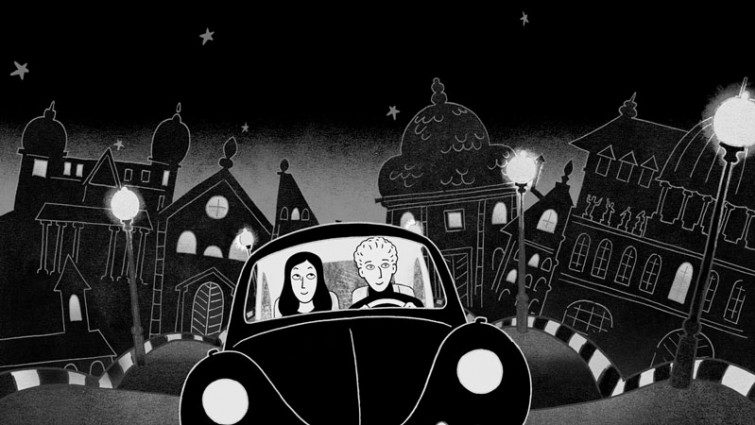
The decision to use black-and-white (for the most part of the film, excluding the present-day sequences) brings the film closer to its graphic-novel roots, yet even the graphic-novel sources were adapted from book to screen. Satrapi resisted the exotic (that color would have brought), embraced the exaggerated eyes for her characters, and removed any unnecessary details from her character designs -yet at the same time, she embedded her character in a richly expressionistic environment, influenced by 20's German expressionism (F. W. Murnau is one of her stated influences). The resulting visual atmosphere is a constant, simultaneous parade of styles that move in the same way Marjane moves through her different worlds. An array of subsequent animation features, from Anca Damian's 'Crulic, The Path to Beyond' and 'Magic Mountain' to Simon Rouby's 'Adama,' follow this highly synthetic, highly conglomerated aesthetic part.
#5 It shines authenticity and commitment
Marjane Satrapi of course, co-directed the film (and co-wrote the script, along with Vincent Paronnaud); but she also acted out every expression in the main character's part; she took every public appearance opportunity to talk about her work as a means to empower women and people ('Persepolis' is also a film about 3 generation of women navigating an increasingly oppressive man's world). She continued to do so even recently, without dictating what young Iranian women should say. This is the director as the ultimate committed artist, to the authenticity that their own art dictates, that has always been the trademark of indie filmmaking -here, for one of the first times, practiced in the field of feature animation.
RIP Marjane Satrapi (1969-2026)
Vassilis Kroustallis
Read More About:
Related Articles

Zippy Frames is the premier online animation journal promoting European and Independent Animation since 2011
Zippy Frames
Quick Links