
Shorts
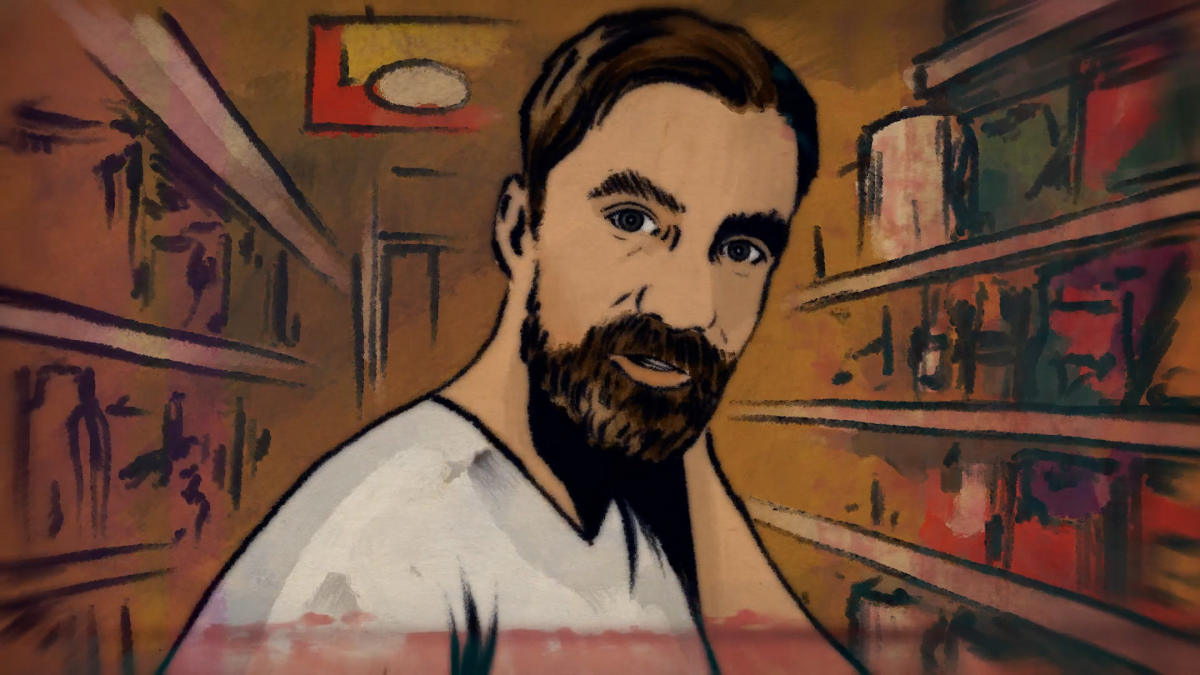
Inside the Valley Sings, dir. Nathan Fagan


Animation Documentaries at Animateka 2025: Truthful Storytelling through the Lens of Animation (GoCritic! Review)
ZF Team
The 22nd Animateka Animation Film Festival in Ljubljana featured “Animated Documentaries” as a category in two programming sections. Focusing on personal stories told through inventive approaches, these two programmes brought together twelve short films from across Europe, each exploring different modes of storytelling and visual design.
The animated documentary — often referred to as anidoc — is far from a new concept. Italian film scholar Cristina Formenti argues that animation is a product of material reality; its characteristics and specific contexts provide a fresh framework for understanding what both animation and non-fiction can achieve. Given this, it is not called “documented animation” as the non-fictional aspect is established before it “animates” or becomes “animated.”
That said, although the stories showcased at Animateka did not always derive from a single individual, they are all based on real-life experiences, grappling with issues of identity, memory, and broader social concerns such as violence, gender, and crime. In 'Maya’s Song,' directors Franziska Schönenberger and Jayakrishnan Subramanian depict an identity crisis experienced by Maya, a child of colour adopted by a white German family, triggered when a shop security guard instinctively separates her from her family because of her appearance.
In 'Girls Are Made to Make Love,' Jeanne Paturle, Cécile Rousset, and Jeanne Drouet reinvigorate adult women’s awareness of sexuality by illustrating a sociologist’s research into intimate relationships. In 'The Knots of Destiny,' the rediscovery of her familial bonds through her mother’s testimony makes Déborah Chang realise how deeply social policy has shaped an entire generation.
Amid these weighty social themes, there are several lighter, humorous works that offer moments of relief. 'The Vegetarian Congress' by Erni Noah playfully revisits the 1999 International Vegetarian Congress in Widnau, Switzerland, where a mysterious case of food poisoning disrupts the supposedly wholesome event.
In 'I’m Not Sure,' director Luisa Zürcher recalls her hospital experience, witnessing absurd, funny moments as she navigates pain, homesickness, and discomfort within her own body. Even in Anni Sairio and Joonatan Turkki's very brief 'Speeding, of Course,' a 70-year-old man named Timo simply rides his bicycle too fast and lands in a ditch, capturing a small but natural pleasure in life.
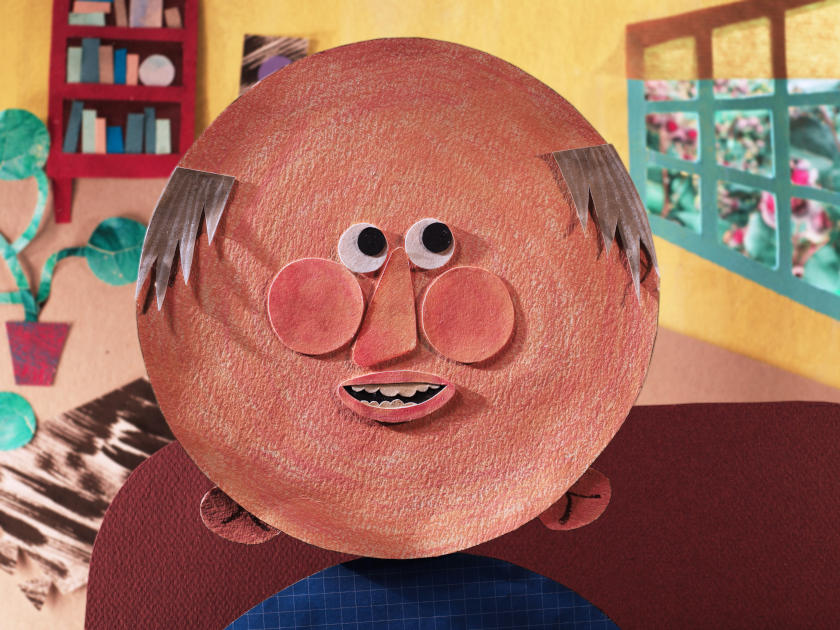
Speeding of Course
Animation as a tool for recounting true events protects the privacy of those involved and opens up imaginative space within the narrative. For example, in the punkishly anarchic 'From Narva with Love,' the participants' names are disguised. Set in the border town of Narva, director Paulina Belik depicts an eccentric vision of several teenagers from troubled families who gang up and become mischief-makers. This is not, of course, a moralising portrait of adolescence, but it feels necessary as a document of these young people's mindsets.
A similar effect applies to Leticia Van Neerven's 'The Virtue of Voice,' which addresses criminal testimony and prisoner confessions. Here, two offenders articulate their emotions through animated movement, expressing repentance and distress. The film effectively avoids the overused styles common in true-crime documentaries and dispenses with the distracting technique of blurring obscured faces.
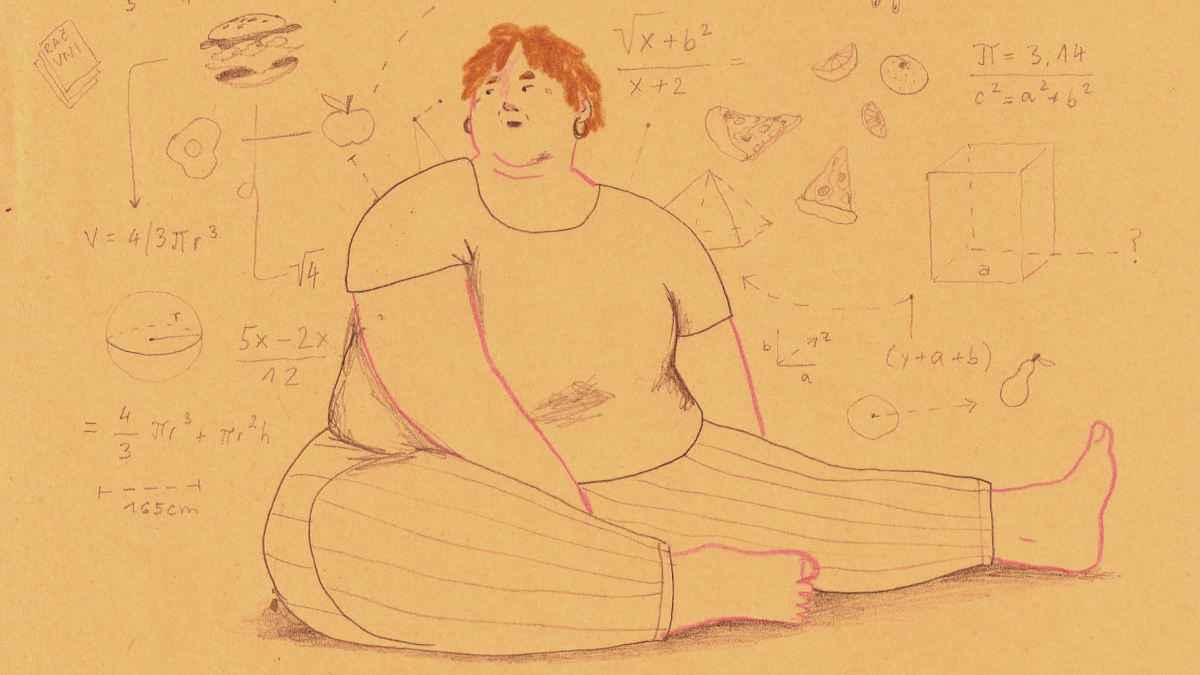
Voice-over often plays a crucial role in animated documentaries. For works based on real events, animators often prioritise original voice material — typically interviews or self-narration (either first-person or third-person). This differs significantly from fictional animation, which usually relies on professional voice actors. The use of authentic voices powerfully reinforces the factual grounding of the story, without added refinement. Audiences can experience their vulnerability, their struggles, their fears, and their humanity through the characters’ verbal expressions directly. In terms of the visuals, some films employ stop-motion in three-dimensional environments to create a more tangible and relatable atmosphere, while others adopt minimalist techniques with simple outlines and sparse backgrounds.
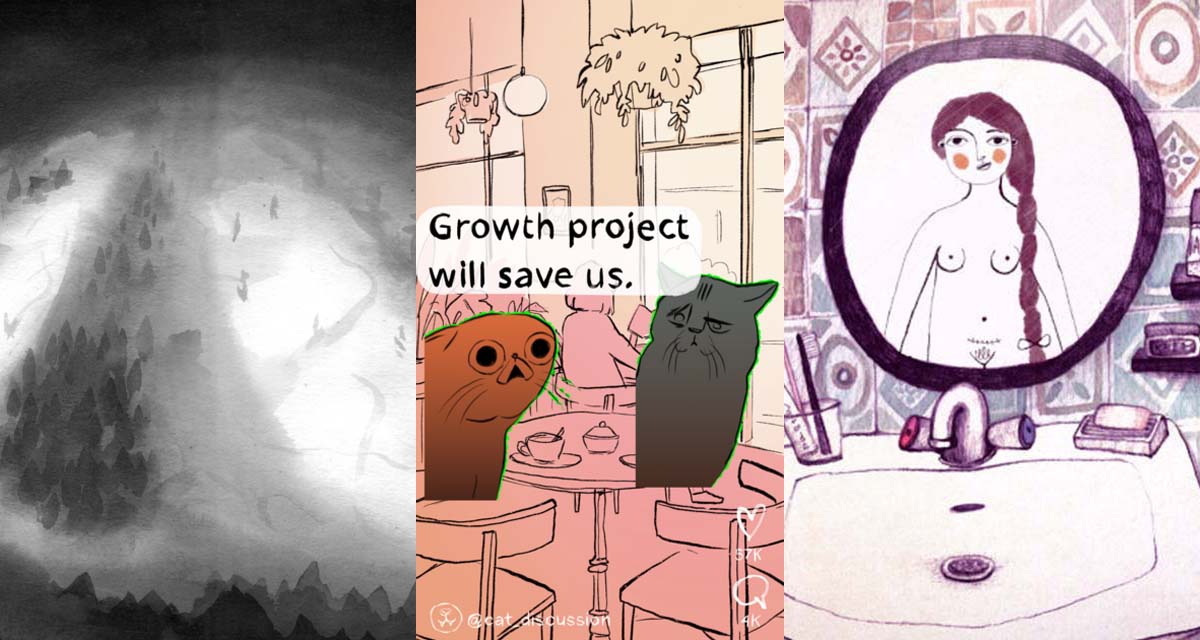
In 'Inside, The Valley Sings,' Nathan Fagan portrays three individuals in solitary confinement across U.S. prisons, conveying their tedium, loneliness, and psychological torment. The only colour associated with the protagonists is the orange of their prison uniforms, symbolising both their status and the erasure of individuality — a stark contrast against the grey, monotonous background.
Conversely, 'Shadows,' directed by Rand Beiruty, uses bold, layered colours to evoke the imagination of Ahlam, a 15-year-old mother attempting to flee Baghdad, where she and her toxic, violent husband live. Through such varied expressive modes, these films investigate reality as their characters live it, revealing their fates and emotions in either vibrant tones or delicate sketch-like strokes.
Above all, the dozen animated documentaries in the Animateka programme offered a unique artistic negotiation with unsettling real-life experiences and past memories — be it personal or collective — without excessive romanticisation. As a hybrid genre, what is special about them is their duality. They bridge the gap between the rawness of live-action documentary and the stylistic freedom of animation, providing new perspectives on the stories of the lonely, the isolated, the marginalised; those deprived of freedom yet determined to reclaim it; those who have lost their gravity of life and strive to regain it.
Through the lens of animation, animated documentaries become creatively inspiring, motivating, and transformative in truthful storytelling. They invite more people into these narratives in a particular way, engaging them to confront the often-harsh realities they illustrate and to reflect on the underlying socio-political issues — often within just a few minutes.
contributed by: Rino Lu
Want to read more free articles like this?
Keep this professional animation journalism effort relevant and updated. Become our patron