

Reviews


‘Bouchra’ (2025) by Merriam Bennani and Orian Bakri: Fest Anča Review (GoCritic! Review)
ZF Team
In a cinematic landscape dominated by Hollywood formulas and studio franchise blockbusters, it is difficult for personal or experimental narratives to find a distinct voice. However, ‘Bouchra’ (2026, Italy/Morocco/USA), the debut animated feature from directing duo Merriam Bennani and Orian Bakri, bypasses this predictable creative conformity through its structural and formal boldness.
Following its highly anticipated premiere at Toronto last September, the film has enjoyed a lively festival run at high-profile events such as New York, Chicago, Thessaloniki, Gothenburg, and Visions du Réel – most recently screening at Žilina’s Fest Anča. It has also landed distribution deals in France, the US, and the Netherlands. Standing out as an inventive docufiction experiment, the film adapts an autobiographical account of Bennani’s life and family dynamics. By choosing to render this act of remembrance through anthropomorphic computer-generated animals, the filmmakers establish a critical distance, creating a buffer that shields lived trauma while allowing raw emotional honesty to surface.
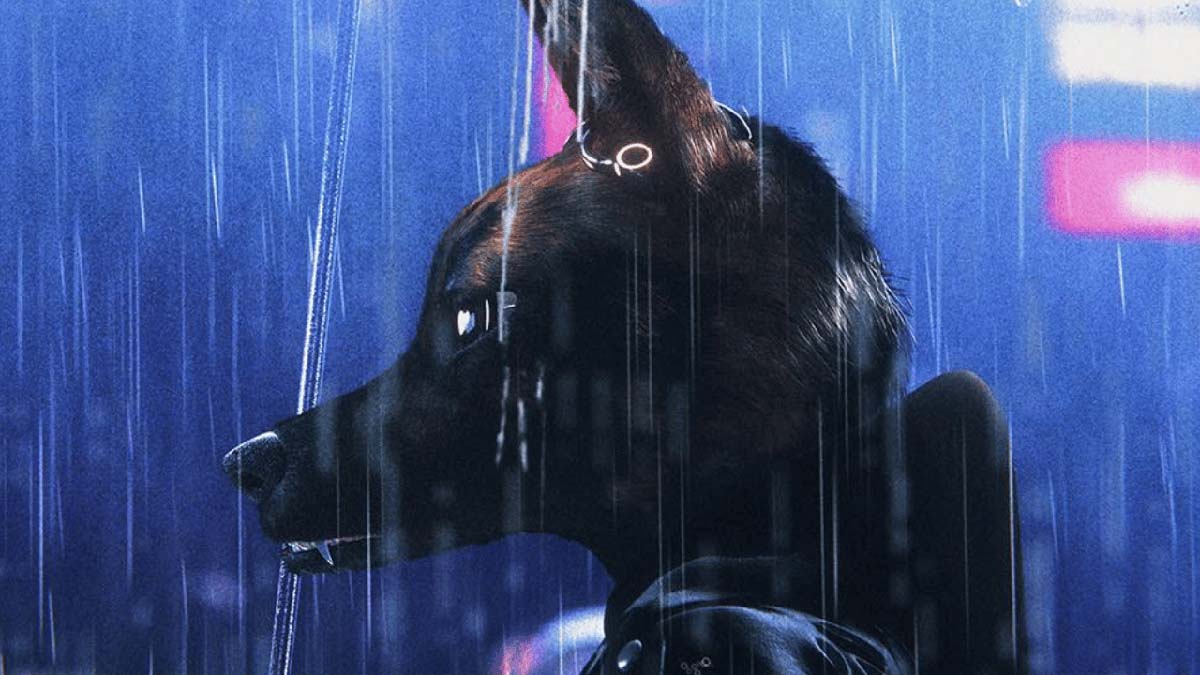
Queer and diasporic narratives in modern cinema often fall into reductive label-driven tropes, didactic conflict archetypes, or rigid binaries of tradition versus westernisation. What liberates ‘Bouchra’ from these constraints is its formal framework. Presenting the protagonist, a Moroccan lesbian filmmaker based in New York, as a coyote decked out in Prada – a choice doubtless a consequence of the project’s official support from the Fondazione Prada – effectively strips the story of ethnographic, victimizing trappings. Instead, it elevates the film into a drama about belonging, art, and survival.
While the digital models occasionally move with a heavy stiffness, and the sparse backgrounds feel prosaic at times, these technical limitations do not derail the emotional immediacy of the film. Instead, they act as an intentional alienating effect that reminds the audience of the narrative’s manufactured nature. Where the visuals falter, the non-professional voice cast steps in.
By choosing to have the actual people from Bennani’s life voice their respective representations rather than hiring professional actors, the film gains an organic texture of authenticity. The natural hesitations, staccato pauses, and unscripted inflections carry psychological weight, grounding the digital facades in an affecting realism.
At its core, ‘Bouchra’ functions as a metanarrative – a film about the process of filmmaking itself. The writer’s block that the titular character experiences while trying to script her own reality begins to dissolve through a series of tense phone calls with her conservative mother, Aïcha, who still resides in Casablanca. Cinematographer John Michel Boling frames these interactions using clean, 3D computer-generated environments and a hazy, neon-soaked nighttime atmosphere reminiscent of Wong Kar-wai’s early works. This visual choice turns the cityscapes of both New York and Casablanca into landscapes of memory and cultural dissonance.
The narrative reaches a structural turning point during a pivotal scene in which Bouchra desperately tries to retrieve a letter she wrote to her mother. It is at this exact moment that the film executes a structural shift: the “real” story shatters, and from that point forward, the audience is no longer watching the primary narrative unfold. Instead, the film seamlessly transitions to the behind-the-scenes shooting of that very moment. This meta-cinematic jump redefines the viewer’s relationship with the film’s structure, highlighting the friction between lived trauma and its artistic recreation.
One of the film’s triumphs is its nuanced depiction of contemporary queer desire and physical intimacy. The sudden transition from erotic foreplay between these digital animals to quick cuts of hand-drawn storyboards sketched on index cards showcases the directors’ formal playfulness. Through these storyboards, which feature handwritten sound effects, Bennani and Bakri infuse emotional turmoil with a sense of comic relief while deliberately blurring the boundaries between documentary truth and cinematic fiction.
Furthermore, Bouchra’s quiet confession, “I’ve never been with someone who spoke my own language”, articulates a profound socio-psychological reality. Queer individuals whose native cultures reject their identity unconsciously adopt a foreign language and environment to explore their sexuality, creating a schism between their beginnings and their desire. This split highlights how cultural rejection forces individuals to compartmentalize their lives, seeking freedom in spaces completely detached from their heritage.
Supported by Flavien Berger’s dreamy score, ‘Bouchra’ handles intergenerational tension, familial expectations, and diasporic dissonance with analytical nuance, avoiding any moralizing tone. The film’s score – at times authentic, at times infused with blues tones – deepens the atmospheric weight of each scene, giving tangible form to the character’s inner conflict. By offering an affirming glimpse into the power of communication, it leaves the audience with an original work of contemporary art that navigates the fractures of today’s world. Ultimately, the film proves that art can serve as both a shield to protect personal trauma and a bridge to achieve familial reconciliation.
contributed by: İdil Hazal Acar
Want to read more free articles like this?
Keep this professional animation journalism effort relevant and updated. Become our patron
Read More About:
Related Articles


Zippy Frames is the premier online animation journal promoting European and Independent Animation animation since 2011
Zippy Frames
Quick Links